
Observe. Record. Discuss.
Establish which fittings are affected
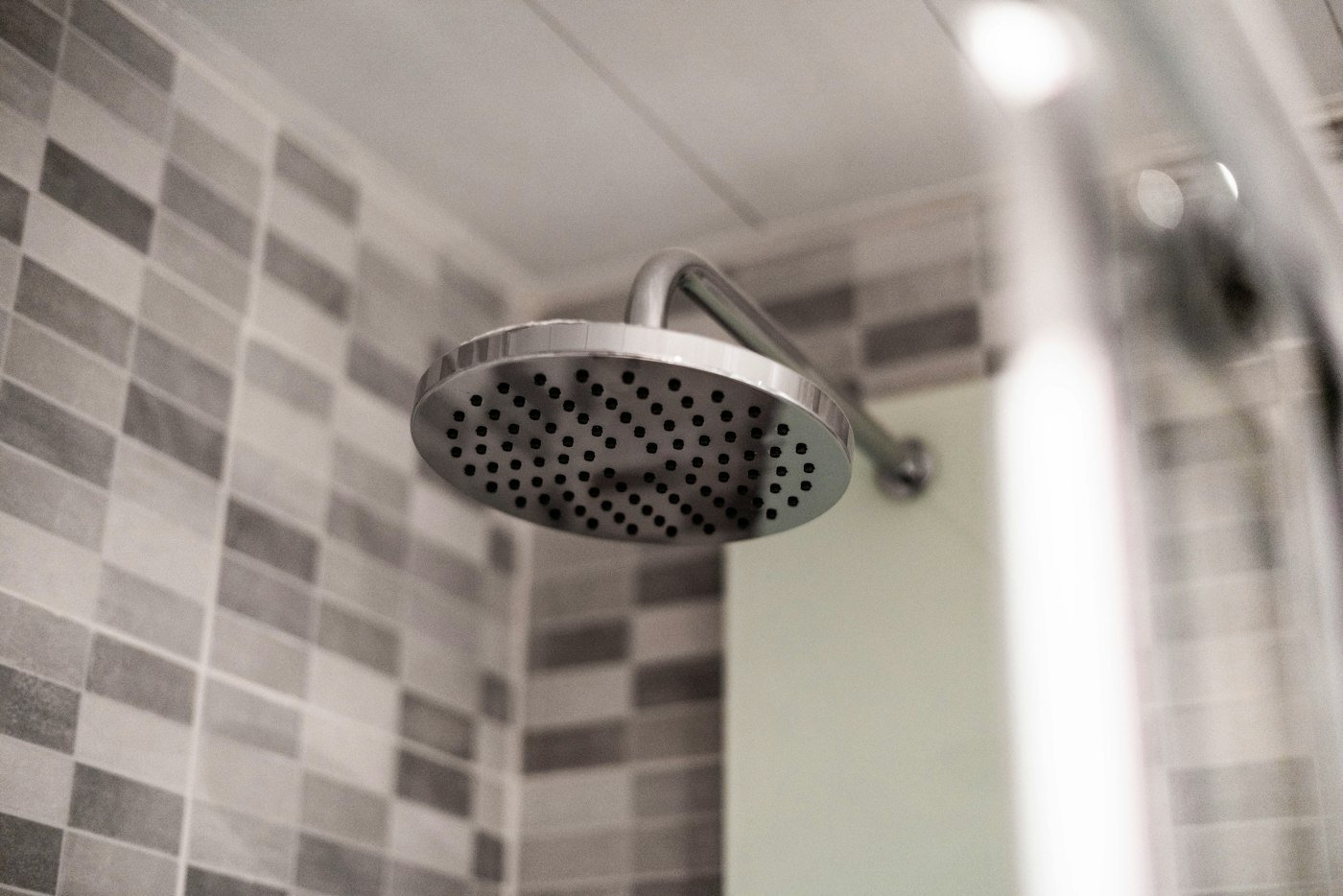
Think about the fittings you have used normally since noticing the change. Is the kitchen cold tap different, or is the problem limited to the upstairs shower? Does the hot side behave differently from the cold side? Write these observations separately. Avoid describing the whole house as affected if you have only noticed one outlet. Equally, mention several affected rooms when that is the case. This simple distinction helps the person handling the enquiry understand whether you are asking about an individual fitting or a broader supply concern that may need a different starting point.
Record when the change happens
Does the flow seem weaker throughout the day, only at particular times, or while another fitting is being used? Note what you have already noticed rather than running several appliances deliberately to create a test. Include when the issue began and whether it was sudden or gradual. Mention any recent plumbing work or change of fitting, even if you are unsure whether it is related. A short timeline can make the discussion more precise. Keep observations separate from explanations: a recent change is useful context, but it does not prove which component is responsible for the flow.
Consider whether the water supplier is involved
An interruption or change affecting the incoming supply may need information from your water supplier. Check the supplier's published service updates when appropriate, especially if neighbouring properties report a similar change. Do not assume a street-wide problem from a single fitting in your home. Equally, a plumber cannot promise to resolve a supplier's network incident through work inside your property. Tell the person receiving the enquiry what you know about the extent of the issue and any relevant supplier notice. If responsibility is unclear, ask which checks or contacts should come before an internal repair appointment.
Leave unfamiliar equipment alone
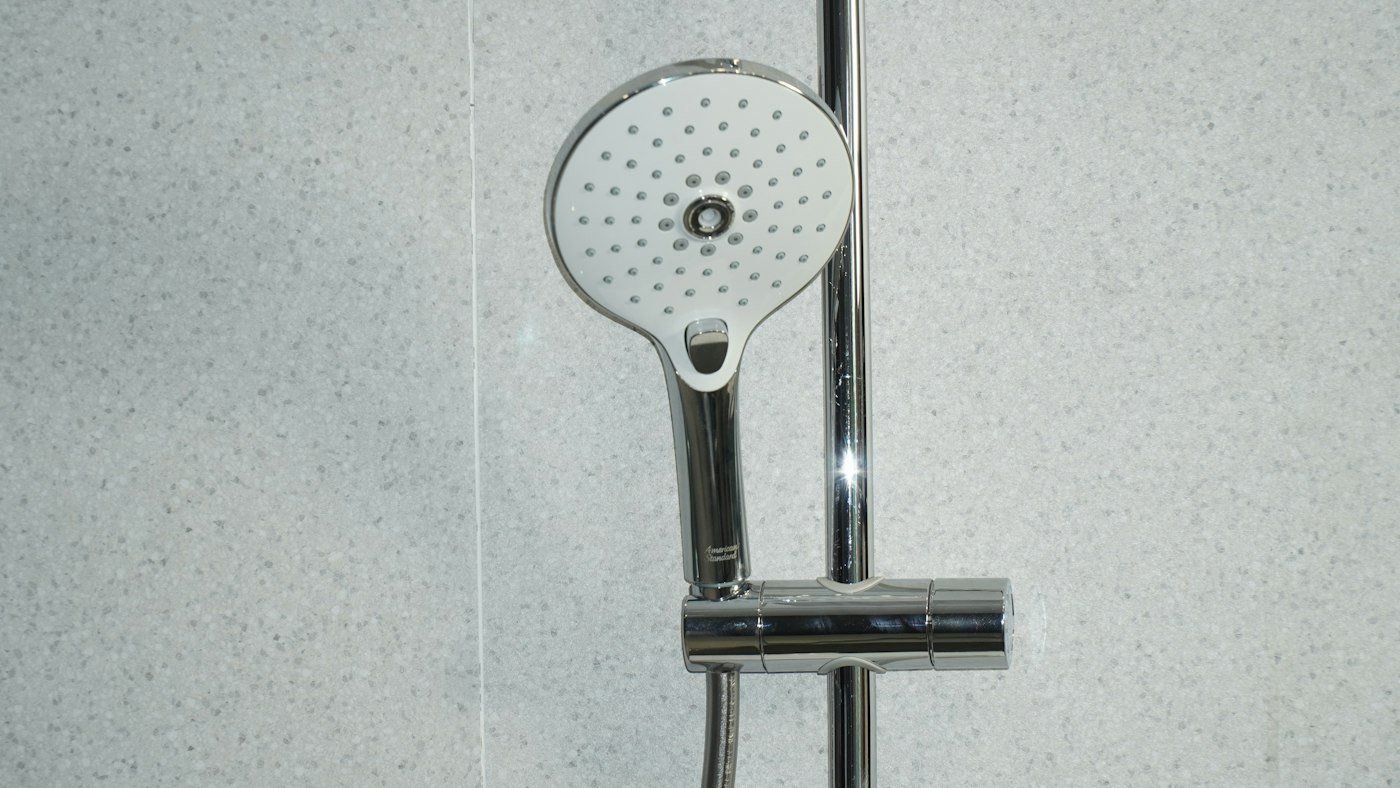
Do not alter valves, pumps, boiler controls or other equipment simply because an online guide suggests a pressure adjustment. Different systems have different requirements. If a display or label is already visible, note the information without removing covers. Explain any unusual sounds or changes that you have observed during normal use, but avoid treating them as a diagnosis. A photograph of accessible equipment may help identify the setting. Keep the manufacturer's instructions available if you have them, and ask the appropriate qualified professional about work on equipment outside the scope of a general plumbing enquiry.
Explain the effect on everyday use
A weak flow matters differently depending on the property and which fitting is affected. Explain whether an essential bathroom is difficult to use or whether the issue affects a business's working area. For a rental home, include the resident's account of when the problem occurs and who can arrange entry. Avoid setting an appointment on behalf of someone who has not agreed access. If the property has shared supplies, identify the managing agent or building contact. These practical details help a proposed assessment account for the way the property is occupied and who needs to be kept informed.
Ask what an assessment will cover
The useful question is what needs checking before a repair is proposed. Explain the symptoms and ask whether the initial visit is for assessment, a specified repair or both. Discuss the proposed charges, access requirements and any information the plumber wants in advance. If further work or parts may be needed, agree how those would be quoted and approved. A remote message cannot establish every cause of poor flow. Be wary of treating a particular replacement part as inevitable before the affected fitting and supply arrangement have been assessed in the actual property.
Keep a simple comparison record
A record can be as short as three lines: kitchen cold tap unchanged; upstairs hot basin tap weaker since Monday; shower also weaker in the morning. Use your own observations and avoid adding results you have not seen. Add the full postcode and mention any supplier update or recent work. After an assessment, keep the explanation and agreed next steps with your property records. If the symptom changes, describe what is different rather than sending the same message again. This makes a follow-up easier to understand and helps keep separate issues from becoming one unclear account.
A few common questions
Does weak flow mean the whole supply is faulty?expand_more
No. Explain which outlets are affected and whether the change involves hot, cold or both. The cause needs assessment rather than an assumption from one symptom.
Should I adjust a valve or pump myself?expand_more
Leave unfamiliar equipment and controls alone. Note accessible information and discuss the system with the appropriate professional before any adjustment or replacement is considered.
What should I tell a plumber first?expand_more
Give the postcode, affected fittings, when the change started and any pattern during normal use. Mention supplier notices and recent work without assuming they explain the cause.
Illustrative photography: kevin Baquerizo · Noithat rakhoi / Unsplash.