
Observe. Record. Discuss.
Make an inventory of the entrances
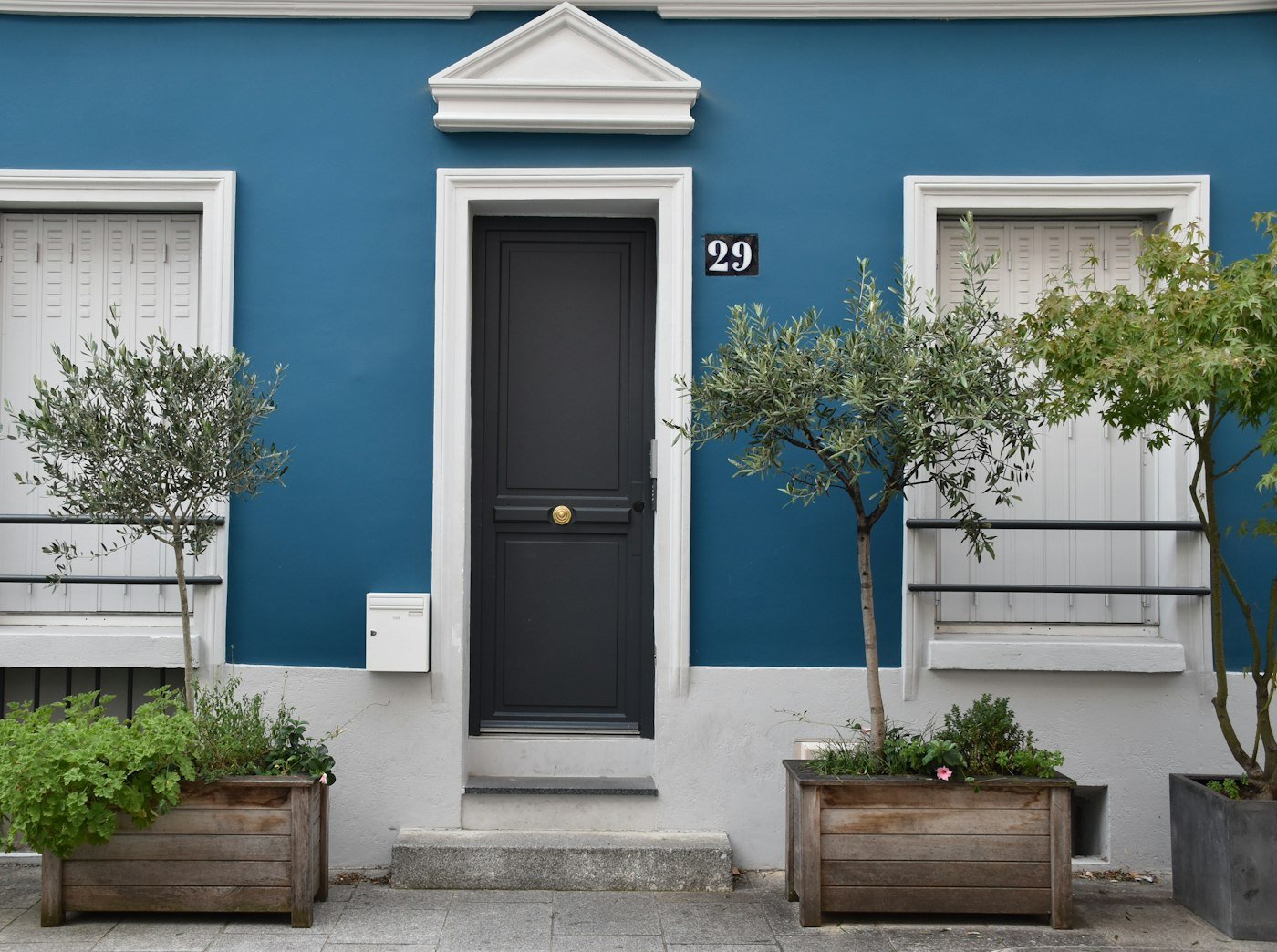
List the external doors you are responsible for, including a rear entrance, side access or garage connection where relevant. Distinguish your own door from a communal entrance managed by somebody else. Record which key operates each lock and whether a door has more than one locking device. You do not need to take the hardware apart to identify it. Clear photographs of the overall door and visible fittings can be useful. Keep keys, identifying labels and access codes out of images that will be shared in a general enquiry or with several different contacts.
Explain what you know about the keys
Count the keys you received and note any uncertainty about their history. A property purchase, tenancy change and change of managing agent involve different arrangements, so describe your situation plainly. Avoid assuming that the number handed over establishes how many copies exist. Discuss whether a change of cylinder, a different locking arrangement or another option is appropriate to the actual door. The locksmith needs the setting and your aim, while any permissions or requirements should be checked through the relevant property contact. Keep that discussion separate from simply choosing a new handle colour or finish.
Record how each door behaves
During ordinary use, notice whether the door closes normally, the handle moves as expected and the key operates without unusual force. Describe any rubbing, stiffness or intermittent problem. A new lock alone may not address every fault affecting an entrance, so list the symptoms alongside your request for a key change. Do not repeatedly force the key to demonstrate the problem. If a door is currently open and behaving unpredictably, explain the situation before closing it. The condition of the whole entrance belongs in the assessment rather than being treated as an unrelated detail discovered halfway through fitting.

Check the arrangements before specifying products
For a managed building or rented home, establish who can approve changes and whether the entrance has particular requirements. Keep any relevant product or building information available for the locksmith. If you have insurance requirements, refer to the actual policy wording and ask about compatibility with the proposed work; do not rely on a general claim that one lock suits every policy. Shared doors and access systems need coordination with the responsible manager. Describe the requirements accurately, and avoid purchasing equipment before the door, lock and installation conditions have been considered together.
Agree the timing and access
Moving days are busy, and access arrangements can change. Tell the locksmith whether you already have possession of the property, who will meet them and which entrance can be used. Give a contact number that will be answered around the proposed visit. Explain parking restrictions, concierge procedures and any rooms or entrances that must remain accessible. Preferred timing is a request until availability is confirmed. For several doors, ask how the work will be organised and what information is needed in advance. Do not assume that sending a form or photograph has booked attendance for the handover day.
Compare the proposed work clearly
Ask which doors, locks and components are included, how many keys will be supplied and which costs form part of the quotation. Clarify the approach to additional faults, particularly if a door does not close or lock normally already. Discuss who will approve a change in scope if inspection identifies another issue. Appearance, key management and everyday usability can all matter, but compatibility must be established first. Retain the details of the proposed products and the work agreed. A clear written scope is more useful than a single headline price that leaves the number of entrances or supplied components unclear.
Keep the handover organised afterwards
Label keys privately in a way that makes sense to you without exposing an address to anyone who finds them. Decide who needs a copy and keep a record through the appropriate household or property-management process. Check that everyone responsible for access understands the new arrangement before the old one is withdrawn. Keep product information and any maintenance instructions supplied with the work. If operation changes later, explain which entrance is affected and what has changed. An organised handover includes practical use of the doors as well as the physical installation of new hardware.
A few common questions
Does moving mean every lock needs replacement?expand_more
Discuss the keys, existing hardware and your access needs with a locksmith. The suitable work depends on each entrance and any relevant property requirements.
Can a shared building entrance be included?expand_more
Identify it separately and involve the responsible managing contact. Do not assume a communal lock can be changed as part of work on your individual home.
What should a quotation identify?expand_more
Ask for the entrances and components included, supplied keys, labour and any other proposed charges. Confirm how additional faults would be discussed before extra work proceeds.
Illustrative photography: Pauline · Kelly Sikkema / Unsplash.